
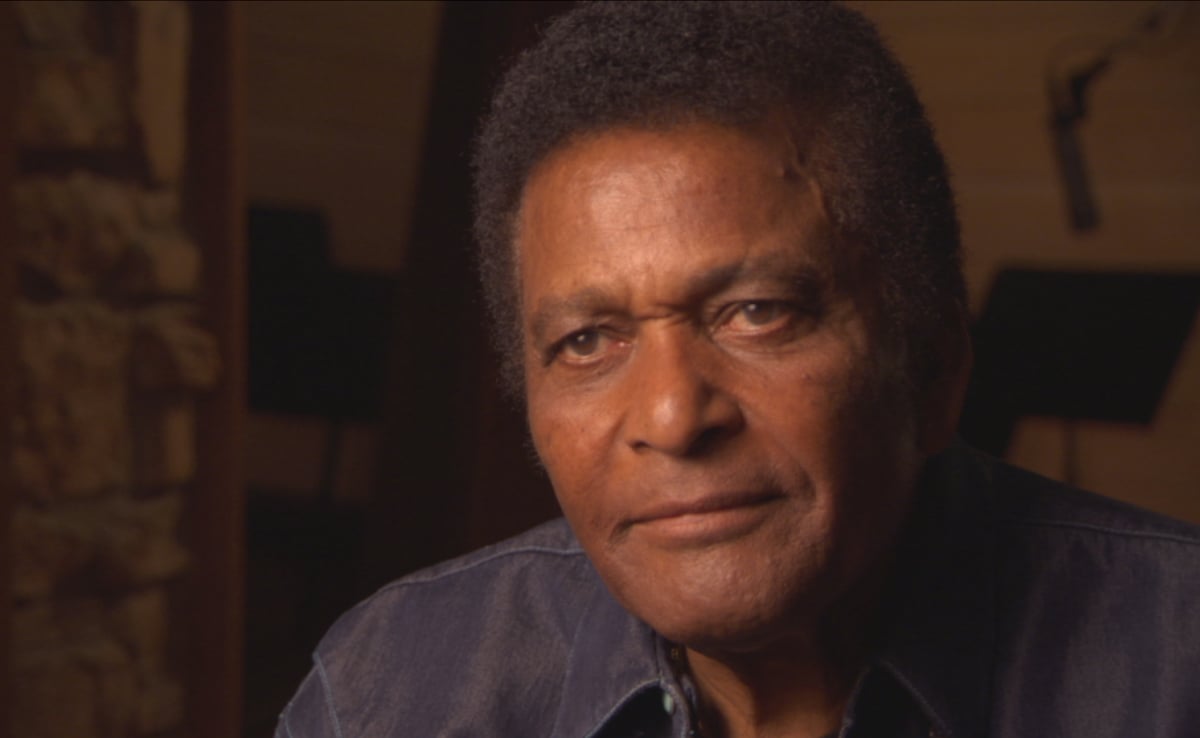
If you grew up in America, you knew the drill every February in public school. But unless your teachers were willing to buck the published material on Black history, country music was never mentioned.


The assertions for High Horse: The Black Cowboy are just as false and dangerous as saying Black people had no hand in the formation of country music at all. And while these radical proclamations are presented as challenging racism, it actually stokes racism because they’re built off of false pretenses, and presents the stakeholdership of country music as a conquest where it’s winner take all based on race. As opposed to attempting to “take over” country music from White people, how about we all just agree that a basic, baseline level of country music history should be taught in schools that talks about Charley Pride and things like the origins of the banjo. That way all Americans understand they have a legacy in country, and the agency to enjoy it and be a part of its community if they so choose. It’s not that country music has erased the Black legacy from the genre. It’s that country music was erased from Black History. Just as we all have a hand in country music, we should all have a hand in making sure the youth of America are properly educated about the Black role in country. And no, that role is not that Black artists created the genre and White people stole it. It’s also not that it’s only White people’s music, with a few token Black contributors. Country music is a melting pot, with Hispanic, Hawaiian, and other influences in there as well. It’s true that especially over time, White people have been the predominant proprietors, stars, fans, and influencers of country music’s lineage beyond its origin story, just as Black performers have been the primary contributors to blues and hip-hop. And there’s nothing inherently evil about that. Music is an expression of people’s culture often tied to race. But history teaches us that country music is for everyone, and by everyone. Or at least it should.– – – – – – – – – – –
How often is country music even mentioned in any sort of American history class, other than one focusing on popular music? What I recall of my high school American history classes in the early ’70s was plenty about presidents and other politicians, wars (especially the Revolutionary and Civil wars), the emancipation of the slaves, westward expansion, the Depression, immigration, and the social unrest that started in the ’50s. Nowhere was any music or musician mentioned. Just as there was no mention of Duke Ellington or Ella Fitzgerald, there was also no mention of Hank Williams or Frank Sinatra.
When black contributions to American history were brought up, the names were usually those of George Washington Carver and Booker T. Washington, and maybe Jesse Owens from the sports world. Is popular music now an important part of standard American history teaching?
Obviously, popular music is not part of regular grade school curriculum. Neither is sports. But all of these things are broached in standard Black History Month curriculum. I looked through some standard syllabus’ while researching this article, and like I said, you saw stuff about Louis Armstrong, Chuck Berry, etc. But there’s nothing about Black country artists. I think the reason to underscore the importance of this is because there’s a misconception that there are NO Black artists who ever made country music until Beyonce or Kane Brown or something.
Music was never taught when I was in high school in Indiana 2000-2004. There was a history teacher that made us watch certain classic movies and he had this thing in his class where he would only play music from 1969 and back. It really is teachers like that who have this sort of impact on some students. Directly shoving students nose into something will cause most to not care and disregard it but if it’s presented passionately and not as direct schoolwork it can resonate.
All true. I think our school history curriculum is lacking in general. It tries to cram as many dates and names as possible in a small amount of time and causes kids to tune it out. If real context like music was used more often to trace issues through history, more people may study it. Part of the reason we keep repeating mistakes from the past. And believe it or not there are areas of the country that refuse to acknowledge Black History Month at all.
I am more than fine with my children not learning about country music in school. Regardless of who sings it.
I also think the cultural impact of Jackie Robinson was far greater than that of Charlie Pride. One of many reasons for this is because we celebrate firsts. Robinson was the first black man to play in the major leagues (as a black man, others were able to pass (Babe Ruth), or pretend to be Native American or whatever), Charlie Pride was probably the first black man with a number one country record or something, but he clearly wasn’t the first to perform, or be on stage , or even be at the Opry.
I would agree that Jackie Robinson’s cultural impact was greater. My only point is that if we’re releasing multiple documentaries about how the Black legacy in country music was erased from history while every history book makes that legacy clear, who exactly is doing the erasing? And if people both White and Black are unaware of Black country music artists, what can be done about it? Simply proclaiming country music is 100% Black and always has been is not real solution.
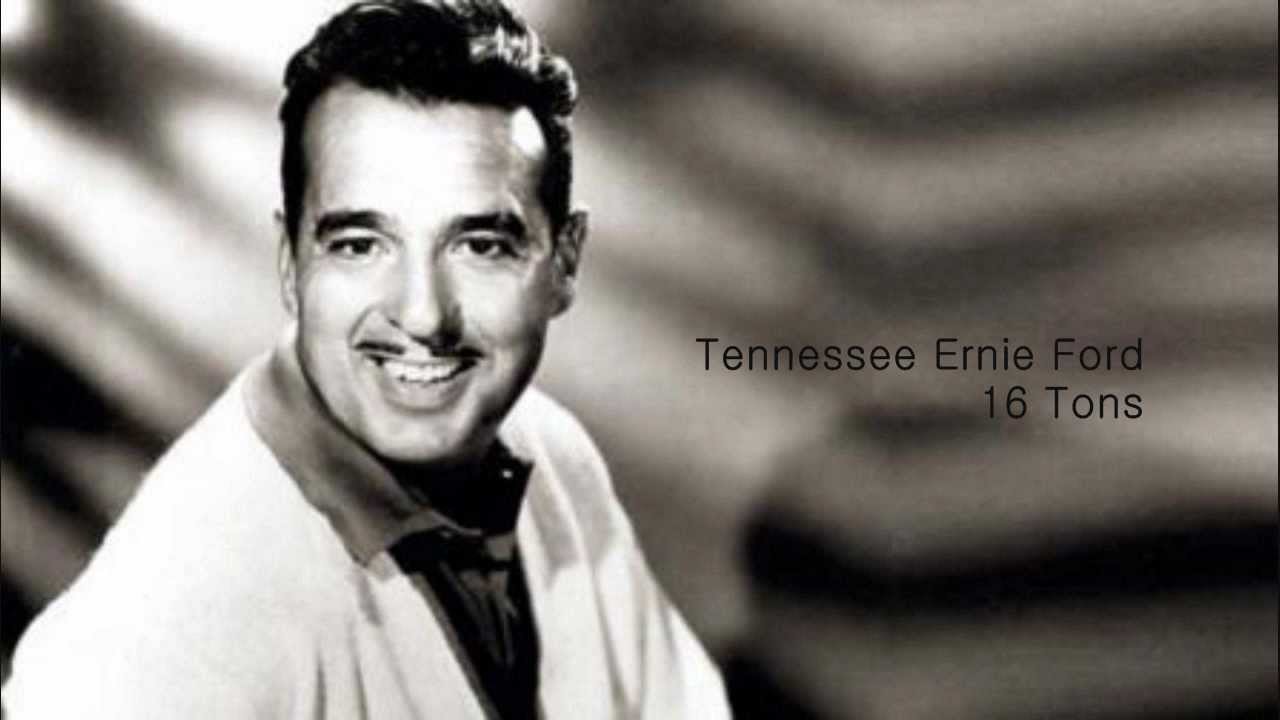
I’ve never seen this written anywhere, but I’ve always felt that the great Tennessee Ernie Ford had some black in him. If you see photos of him in his heyday, he looks like Adam Clayton Powell.
I also think that Tennessee Ernie’s sound has a strrong black influence.
Listen to his brilliant, iconic recording of “Sixteen Tons.” Near the first minute mark, he sings
“I loaded sixteen tons of Number 9 coal/
and the straw boss said ‘Well, bless my soul.’”
Ernie adds an effeminate lisp to the the Merle Travis lyric when it comes to the straw boss. He just about sings “bleth my thoul,” with a bit of a twinkle in his delivery–a common black, comedic way of ridiculing someone.
The straw boss’s lisp is prominent on the original recording, but Ernie seemed to tone it down a notch when doing a video performance of the song for his national TV program.
[It wan’t an exclusively black thing. The Texas born 1970’s NWA pro wrestler Dusty Rhodes–who was white, but affected a black vernacular, famously used to talk that way when in character.]
The only other black performer at the Grand Ole Opry or in country music period prior to the arrival of Charley Pride on the scene was DeFord Bailey in the 1920’s and 30’s; Charley was the first one to become a bona fide superstar, so his rise in the country music field is even more significant
Tina Turner’s first two solo albums, Good Hearted Woman, and Tina Turns Country On are both very good. I like the second one better. It is produced “more country”. But Good Hearted Woman is a record made up of country songs, produced fairly country.
I did not know that. Always been a fan of hers. Will have to dig in to those recordings. Thanks for the heads-up.
Black people were foundational in American music in general. The overwhelming majority of millennial and younger black people today don’t listen to Country, Jazz, Blues, etc….only stupid ass rap music. That’s why. They need to set down every black student and force them to listen to Howlin’ Wolf, Miles Davis, Charlie Pride and Ray Charles. (to name a few)
Cmon Trigger– why isnt black country music taught during black history month? You know why we know about many of the famous figures we study during black history month? Because theres a movement to make sure those people are recognized amd remembered? Who is leading a collective effort to commemorate black country artists? The CMAs? Nope. So it absolutely is on country music if they want more recognition of black artists to lead the charge, but half of country music is too busy complaining that black artists are being even nominated for country music awards so I dont think thats gonna change any time soon. And no, the presence if Charley Crockett, Mickey Guyton and Darius Rucker doesn’t make the black community forget the stink yall threw about Beyonce, Lil Nas X, or Shaboozey.
Well, that is kind of my point. That is why I posted this article. I’ve posted articles on Stoney Edwards, Tina Turner, Ray Charles, Charley Pride, Linda Martell, Rufus Payne, DeFord Bailey, etc. that could be easily turned into academic lessons. One issue the “collective effort” that seems underway is things like “High Horse: The Back Cowboy” that is only interested in reclaiming country music from White people since it was stolen, which in turn makes their efforts basically inert, if not counter-productive, because it’s too radical, controversial, and frankly, untrue to turn into curriculum aside for race studies classes in Universities.
You want to change the misconception that country music is only for White people? Tell the story of Charley Pride, and dispel that misconception.
The difference is, Darius, Charley Crockett, and Mickey Guyton are actual country artists compared to Beyoncé, Shaboozey, or Lil Nas X; I personally would never throw shade at any of the former as they make genuine country music. So that’s an apples vs. oranges argument
Speaking of black music and the banjo, check out mento. It’s Jamaican folk music that inspired the ska and then reggae genres. The Jolly Boys are the most famous, with recordings still available. Highly recommend!
We’re doing a show tomorrow night on our station playing some music from local country artists and regional country artists from years past from all around Ohio. I’ve been scouring the internet, Ebay, and local vinyl record stores to find as many artists from Ohio I could and learn as much about them as I can. I was surprised to find out how many black country performers there were in Ohio in the 1960’s and 1970’s.
A quick story about one of them from Cincinnati Ohio. His name was Otis Williams (not the same Otis Williams from The Temptations). He had a doo wop group called The Charms based out of Cincinnati.
He later decided to take a break from music and became a barber in Nashville. He met producer Pete Drake while there, who bet Otis that he could not record a country music album that would sell or do well on the charts. So, Otis recorded Otis Williams and The Midnight Cowboys in 1971. The Midnight Cowboys were a fictional band billed as all the members being black. It was an album of mostly all covers, a couple of those being Charlie Pride songs.
The album is on Youtube if you want to check it out, I think it’s a pretty good early 1970’s country album
Source: savingcountrymusic.com