
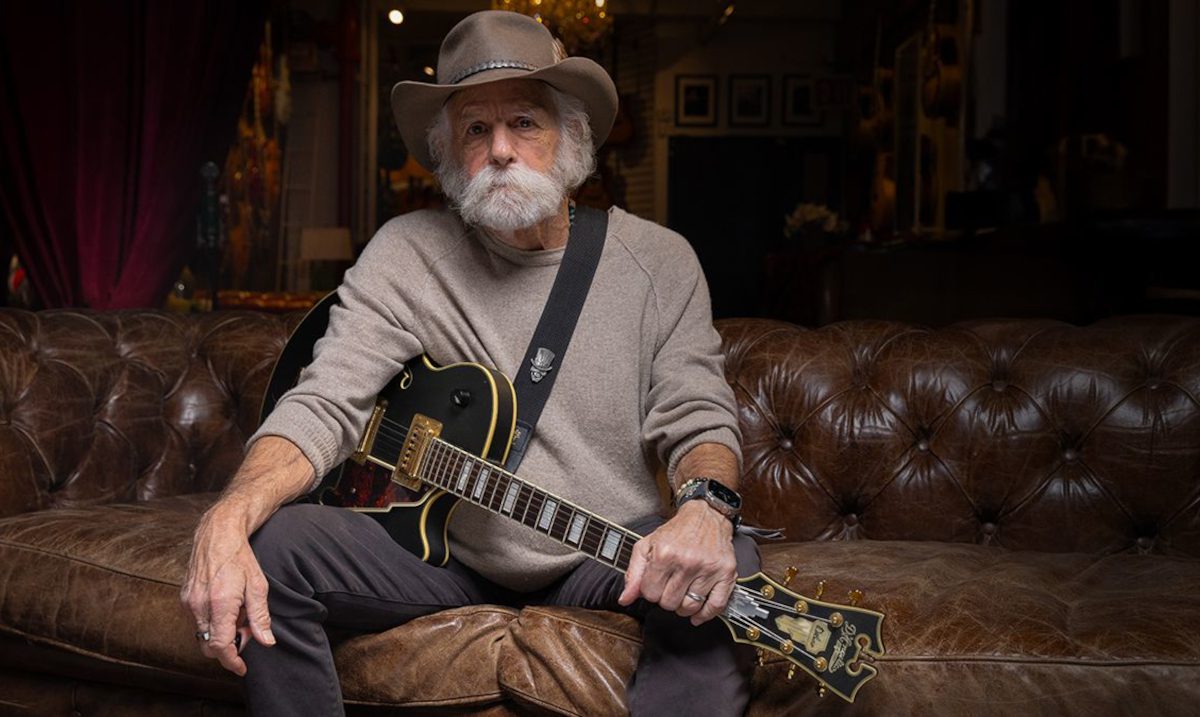
Bob Weir was critical to the cross genre appeal and the bridge building aspect of The Grateful Dead. Bob Weir was where many rock fans first discovered and realized that country music was cool.



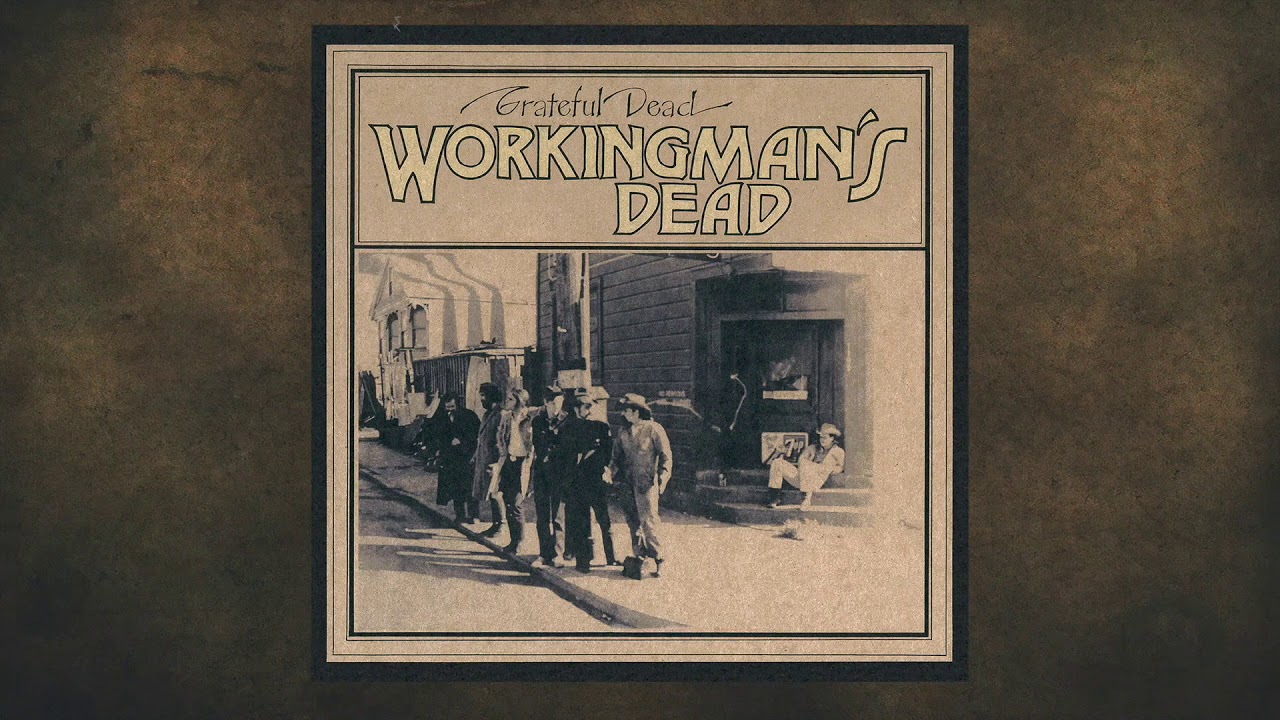


One of the reasons that you can make a strong argument that The Grateful Dead was perhaps the most important American band ever is how they could be all things to all people. They certainly weren’t a country band exclusively, even though they weaved in and out of country in different eras. They contributed greatly to both the country genre’s sound, and its population of fans from their selection of covers performed in concert, and their original country songs recorded over the years. The band’s rhythm guitarist and sometimes lead player and singer Bob Weir (RIP) contributed both these original country songs and country covers to the band. By volume, Jerry Garcia still probably contributed more of them. But Bob Weir was critical to the cross genre appeal and the bridge building aspect of the band. Bob Weir was where many rock fans first discovered the songs of guys like Johnny Cash and Merle Haggard, and realized country music was cool. The Grateful Dead’s most preeminent country moment was in the early ’70s as American music was transitioning from the psychedelic era. June 1970’s album Workingman’s Dead is far and away the band’s best example of country music cover to cover, even if a couple of the songs could be characterized more as folk. The exquisite and stripped-down production by Betty Cantor makes the album an incredible specimen of American music irrespective of genre. The steel guitar-driven “Dire Wolf,” and the up tempo “Cumberland Blues” proved the band’s country bonafides. Though Bob Weir was mostly in the background on the album, he sang the primary harmony and extra verse on “Cumberland Blues.”
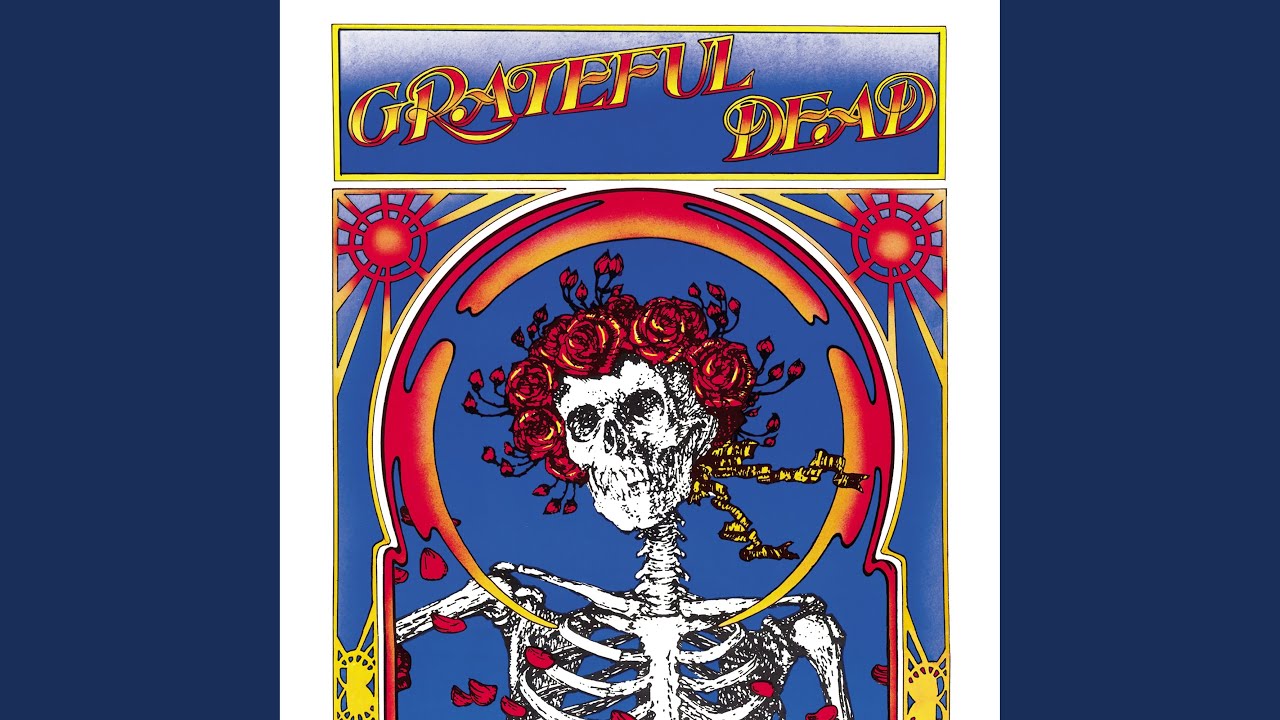
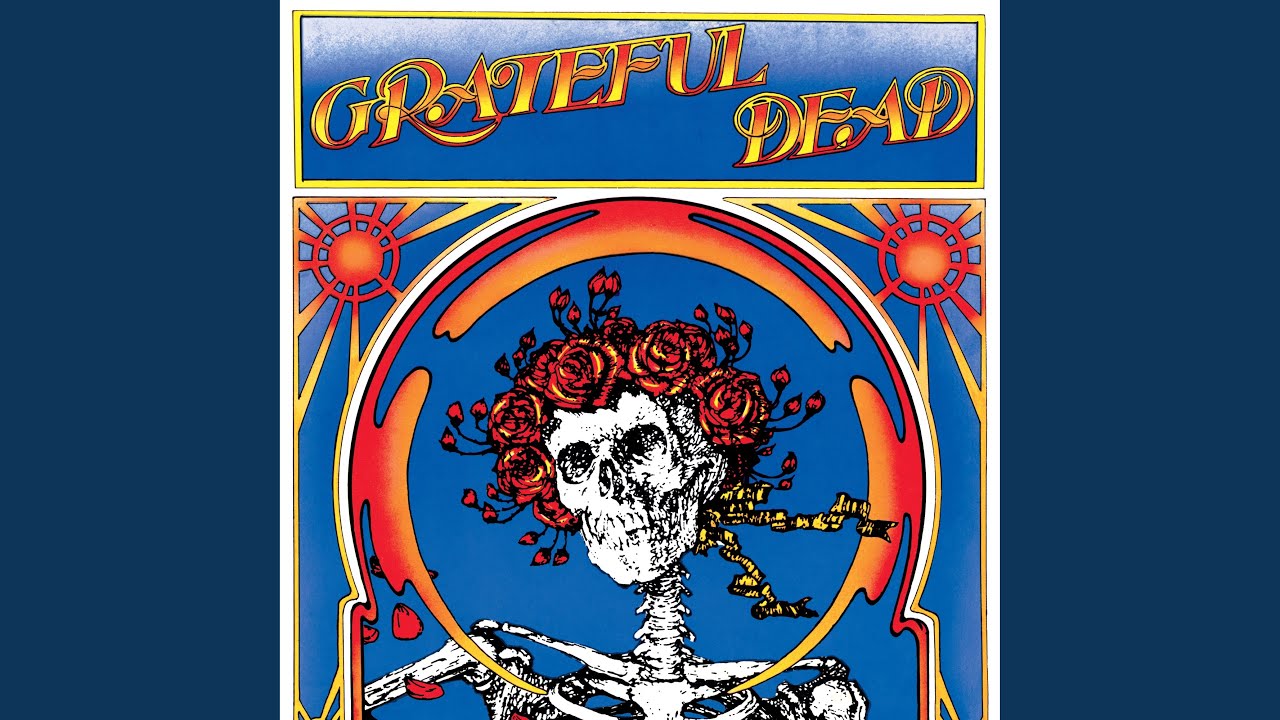
The band’s next album in November 1970, American Beauty, is considered their magnum opus, and sees them branching out a bit more into California country rock. Here, Bob Weir is a bit more active. “Sugar Magnolia” written by Weir is one of the album’s standards, and he also co-wrote and sang some lead on perhaps the best-known Grateful Dead track of all-time, “Truckin’.” But it really was the band’s 1971 self-titled live album—also often referred to as Skull and Roses due to the cover art—where Bob Weir really stepped out as a country music contributor to the Dead. This is where perhaps millions first heard Merle Haggard’s “Mama Tried.”
Though nobody would ever accuse Bob Weir of doing a better version of “Mama Tried” than Merle, simply the decision to play the song was a major cross cultural moment, even if it didn’t involve crossing the California border since both Bob and Merle were from there. Along with Bob’s spirited performance of “Mama Tried,” Jerry Garcia’s twangy guitar playing really shines on the track. Though also officially a cover, another strong country (or Western) song on the album, “Me and My Uncle,” became a tune Bob would spend decades fulfilling requests to perform. Written by John Phillips of The Mamas and the Papas, Bob made it his own, and ensconced it in the Western music canon.
It would be the band’s next live album Europe ’72 where Weir would once again flex his country muscles. Known more for their live albums and performances, multiple original songs from The Grateful Dead never received studio renditions. “Jack Straw” written and sung by Weir (with Garcia) is one of them, and also another one of the band’s best Western tunes. The song’s smart structure and story line sneaks up on you, at first feeling a little pedestrian, but over time, revealing itself as one of Weir’s and The Dead’s best.
Europe ’72 also has what many would consider the definitive version of “Cumberland Blues,” as well as an excellent rendition of the traditional, “I Know You Rider.” The way the track “China Cat Sunflower” leads into “I Know You Rider” is one of the greatest two-song transitions in recorded music history. Yet another live album Steal Your Face from 1976 is where the first recorded appearances of Bob Weir’s takes on Johnny Cash’s “Big River,” as well as “El Paso” from Marty Robbins appeared. The album is not currently on streaming, but these songs became mainstays of Grateful Dead sets, and scores of versions can be found in the various bootleg releases and compilations.
There are certainly other examples of Bob Weir’s country contributions over the years, especially as you delve into the seemingly endless catalog of bootlegs, many of which that have now received proper releases of one version or another. Though as the ’80s commenced and The Grateful Dead leaned more into blues rock with their recorded projects, the twang of the band was relegated to more brief moments in their live shows. But you can’t talk about Bob Weir’s country and Western influences and output without mentioning what was his final solo album, 2016’s Blue Mountain. The release really helps explain where Weir’s Western music leanings come from. Inspired by his time working on a ranch in Wyoming when he was 15—the year before he would meet Jerry Garcia in Palo Alto and formed The Grateful Dead—Blue Mountain is an album full of cowboy songs.
Josh Ritter is actually who wrote a majority of the Blue Mountain songs, with Weir co-writing numerous tracks with him. It’s probably more fair to call the album Western Americana instead of country, but it does speak to Weir’s commitment to the greater country cannon that he carried all the way to the end of his career. Since The Grateful Dead never really enjoyed any radio play or hits in their era, it was a band you had to discover. But through the Grateful Dead and Bob Weir, many found a love for country music. Because Bob Weir loved country too, and conveyed that throughout his career. – – – – – – –
That’s definitely the first time I heard Mam Tried. Second song on the album, right after Bertha. Another country classic I heard first from The Dead and with Bob Weir on lead vocal is The Race is On. It’s on an acoustic live album called Reckoning. It came out in ’81.
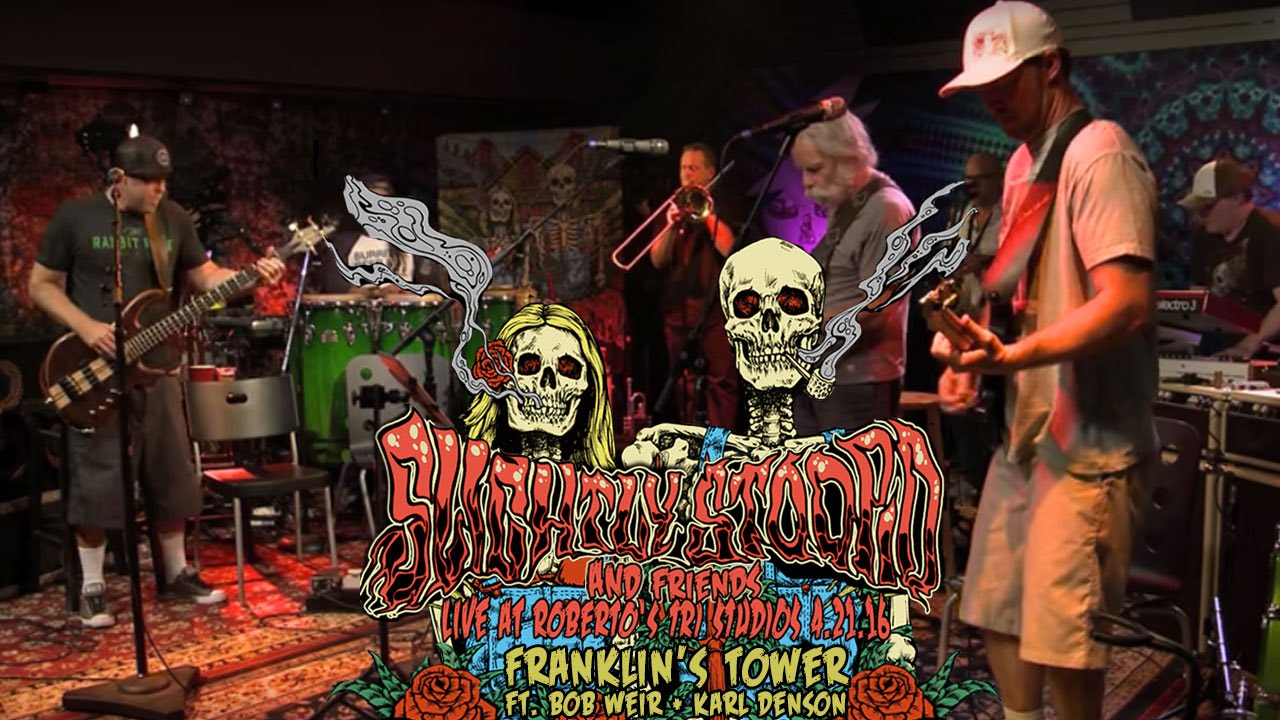
Man, I’ve been dying to share this WILD Bob Wier collaboration… Check him out with San Diego reggae band Slight Stoopid!
I went to high school in a suburb of San Francisco in the late 60s so the Dead and the whole psychedelic music scene were a major part of my life. Except for the New Riders I wasn’t listening to country then. I remember being puzzled to hear Jerry Garcia say in an interview that his favorite female singer was Dolly Parton. Who? Bob Weir’s performance on “Me and My Uncle” makes it one of the great story songs of all time. How it was written by John Phillips has always been a mystery to me.
The Dead never “mocked” country, folk, or western music, unlike the Stones (despite Gram Parsons influence on them), and to some extent, the Beatles…
Garcia’s involvement in bluegrass/newgrass through the Old and In the Way recordings and work with David Grissman introduced a whole batch of boomers to the seriousness and depth of what was often criticized as “hick music,” and, I believe, led to a resurgence and popularity eventually bringing us “O, Brother Where Art Thou,” Allison Krause, and Billy Strings…
Jerry Garcia followed The Kentucky Colonels around like a deadhead! There is a recording of him introducing the band to the stage at I believe Bean Blossom, before the dead were a thing.
It was in 1987 that they finally had their only major chart hit with Touch of Grey with the MTV generation finally discovering them.
I believe Josh Ritter and Bob Weir were very close. Bob also collaborated on his song “When Will I Be Changed” on Josh’s 2017 album “Gathering.” Josh also released his own version of “Only a River” (from “Blue Mountain” on his 2024 album “Heaven or Someplace as Nice”).
Working Man’s Dead ha always been my answer to the question, “If you were stuck on an island and could only have one record…”
I was 15 years old when I first heard Mama Tried by the Dead in 1970 on the Skull and Roses album. At the time I was not into traditional country music and had no idea it was a cover of a Merle Haggard song. I thought it was a Dead original. But it turned out to be my stepping stone into discovering that country music could be as good as the rock and roll.
Mama Tried from the Cornell live album is hands down my favorite recording of the song, all respect to Merle
My uncle Chris grew up with Bobby in Palo Alto/Menlo Park/ Atherton area in the 50’s and 60’s. They always had a huge kick for country music, even before Jerry came into the picture. People really forget what California was like back then. Bakersfield sound, Buck Owens, Merle Haggard dominated the local airwaves in the 50’s long before anything “Psychedelic” sounding came around. Hell, they evened listened to the Nashville mainstream stuff of the 50s and were both big George Jones fans.
I’m a 34 year old millennial who’s been to dozens of shows of countless Dead iterations: Phil Lesh and Friends, Rat Dog, Further, Dead and Co, etc… I fell in love with the Country/Folky side of the Grateful Dead before anything else. Working Mans Dead and American Beauty are my favorite sounds of theirs.
There are many flavors of Deadheads that correspond with their many different sounds and eras. For me personally I like the folky country sounds of the early 70’s and Brent Mydland soulful Hammond B-3 Organ sounds of the 80’s through his death in 1990. I always find that I get along with the folks who like that stuff too.
I’m generalizing here, but the people who give Deadheads a bad name are all about the Dark Star/Space “trippy” sounds are the people I found most likely to be selling nitrous balloons from a tank they stole from a dental office they robbed in Knoxville, TN (real story lol) and really are just there to do drugs. Those folks seem to be more about the “lifestyle” and less about the music.
I found Phil Lesh and Friends during the Jackie Greene era to be the best approximation of the sounds and people that I loved of the Fead (post gerry), and ironically RatDog (Bob’s spinoff) to be mostly the people who were there for the “lifestyle”. Which is to say, I’m so glad Bob got several more chapters of great music all the way through the end.
i saw the last 5 years of the the greatful dead. That was a circus, i was very young and it was a lot of shrooms and lifestyle as you say. The ratdog years were so fun for me, because i was a little bit older more into the music then the party. wolf bros and dead and co felt like a gift. I could not believe i still got to do this. I am going to miss everythig, cool that you got some goood stories from your uncle that not many got to hear.
The Byrds are another band I genuinely most identified as being the most effective gateway act from psychedelia and rock and roll’s larger umbrella to country music largely due to the Gram Parsons influence but enduring well until their dissolution.
Even though I was acquainted with the likes of Willie Nelson, George Strait, Loretta Lynn, The Oak Ridge Boys, The Statler Brothers among others very early on thanks to my grandparents and running through their entire cassette library in their southeast Missouri sunroom………….I also credit both The Grateful Dead and The Byrds (you can throw CCR in there too) for helping me appreciate the subtleties between all the various sounds of rock, country, folk and psychedelia and just simply concluding it’s good music, period. =)
absolutely right. The Byrds, The Dead, CCR they introduced country music to a whole new audience ( me included).
I’m pretty sure Jack Straw was a Robert Hunter song (lyrics), not John Perry Barlow, as stated in this article.
Source: savingcountrymusic.com